
INSPIRE: Seven Strategies for Ending Violence Against Children
Learn about evidence-based strategies and approaches to preventing and responding to violence against children. This course is ideal for practitioners, policymakers, funders, and advocates.
Modules/Weeks
Weekly Effort
Discipline
School
Format
Cost
Course Description
- Identify evidence-based strategies for preventing and responding to violence against children.
- Analyze the implementation approaches for the seven INSPIRE strategies.
- Gain insights from global child protection experts and practitioners through case studies.
- Strengthen their knowledge of child violence, its causes, and the application of the INSPIRE framework to combat it.
What You Will Learn
By the end of this course, learners will be able to:
- Comprehend the INSPIRE technical package.
- Grasp the extent of violence against children.
- Define violence against children.
- Recognize the consequences and costs of child violence.
- Identify root causes of violence against children.
- Learn to implement INSPIRE strategies effectively.
- Understand the role of laws in child protection.
- Recognize the significance of norms, safe environments, caregiver support, economic stability, response services, and education in preventing violence against children.
Course Outline
Module 1: Introduction to INSPIRE
Module 2: Implementation and Enforcement of Laws
Module 3: Norms and Values
Module 4: Safe Environments
Module 5: Parenting and Caregiver Support
Module 6: Income and Economic Strengthening
Module 7: Response and Support Services
Module 8: Education and Life Skills
Module 9: Course Summary and Resources
Instructors
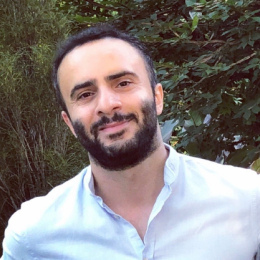
Nicolas Makharashvili serves as the Senior Program Officer, INSPIRE Course Content Lead, and Learning Facilitator at the Care and Protection of Children (CPC) Learning Network within Columbia University's Mailman School of Public Health since May 2018. With a robust background in project management and social sector expertise, Nicolas has previously managed philanthropic initiatives at the Social Impact Exchange. He specializes in orchestrating systems change through cross-sector collaborations and systems analysis in areas like health, education, and early childhood.
Nicolas's career journey also includes roles at Bolder Giving, where he directed projects focused on social, racial, economic, and environmental justice. His contributions to the Roosevelt Institute revolved around shaping inclusive economic policies at various government levels. He began his professional journey at the Philanthropy Workshop, where he delved into strategic philanthropy education.
With over a decade of experience, Nicolas plays a pivotal role in promoting positive social change through his leadership and expertise.

Cassie Landers, an Assistant Professor in Population and Family Health at Columbia University's Mailman School of Public Health, holds a Doctorate in Education and a Master's in Public Health from Harvard University. Since 1985, Dr. Landers has been dedicated to advancing policies and programs for young children and families, collaborating with UNICEF and international agencies. With over 20 years of experience, she has provided technical assistance to child development programs in more than 60 countries across various regions, including Southern Africa, South Asia, the Middle East, and Eastern Europe. Dr. Landers also designed an Early Childhood Development Master's program at BRAC University, Bangladesh, and was a visiting professor at the Moscow School of Social and Economic Studies.
Her expertise encompasses program design, implementation, and practitioner training in global interventions, particularly in conflict and post-conflict zones. She has contributed to initiatives promoting early literacy in the United States through collaboration with the Head Start National Literacy Center. Cassie Landers is a respected professional committed to the betterment of children and families worldwide.

Mark Canavera, Co-Director of the Care and Protection of Children (CPC) Learning Network and Associate of the Program on Forced Migration and Health at Columbia University, plays a pivotal role in advancing child welfare and protection. At the CPC Learning Network, he spearheads collaborations among academics, policymakers, and practitioners, promoting innovative research and nurturing learning communities.
Mark co-chairs the INSPIRE Working Group with the World Health Organization, advocating evidence-based strategies to combat violence against children. He also leads the Assessment, Measurement, and Evidence Working Group at the Alliance for Child Protection in Humanitarian Settings.
Furthermore, Mark is a vital member of the Expert Advisory Group, contributing to the UN Secretary-General's initiative on children associated with armed forces. His research focuses on bolstering global social service workforces in low- and middle-income nations and reinforcing local and national child protection systems, including addressing child labor.
Mark brings over two decades of experience from humanitarian aid and development work in over 20 countries, partnering with organizations such as Save the Children and UNHCR. He holds Master's degrees in Peace Studies and Public Policy from Notre Dame and Harvard, respectively. Mark Canavera's dedication and expertise make a significant impact on the well-being of children and families worldwide.

Gunnar Colleen, a Research Assistant at the Care and Protection of Children (CPC) Learning Network at Columbia University, joined the team in February 2021. He is concurrently pursuing his Master of Public Health (MPH) in Population and Family Health at the Columbia University Mailman School of Public Health, specializing in Public Health Research Methods. Gunnar's academic journey began with a Bachelor of Arts in Public Health from the University of Washington in his hometown of Seattle, WA.
Before joining Columbia, Gunnar served as a program manager at the Urban Indian Health Institute. In this role, he orchestrated epidemiologic projects that catered to urban American Indian and Alaska Native communities. His passion lies in mitigating violence and injuries while promoting the well-being of communities by addressing broader societal factors.
Gunnar's commitment to public health and research is a valuable asset to the CPC Learning Network and the broader mission of fostering healthier communities.