
Protecting Children in Humanitarian Settings
Strengthen your approach to protecting and promoting the wellbeing of children in humanitarian settings using the latest evidence on childhood adversity and drawing on experiences from child protection practitioners.
Modules/Weeks
Weekly Effort
School
Format
Cost
Course Description
- Examine the influence of children's social environments on their adversity, development, and resilience.
- Engage in critical thought to strengthen current international child protection practice.
- Identify opportunities to enrich child protection approaches in humanitarian settings using science and practice.
- Designed for child protection practitioners working internationally in humanitarian settings and individuals interested in entering the sector.
This course is available at no cost and includes full access to all instructional materials, videos, and assessments. Learners who successfully complete all course requirements will have the option to purchase a verified certificate of completion for $20.
Course Prerequisites
- Recommended for graduate-level interest in children's development
- Suitable for those focused on humanitarian crises
What You Will Learn
By the end of this course, learners will be able to:
Analyze the impact of children's social environments on their adversity, development, and resilience.
Evaluate and critically assess current international child protection practices for potential improvements.
Identify opportunities to enhance child protection approaches in humanitarian settings by incorporating scientific knowledge and practical insights.
Apply the acquired knowledge and skills to strengthen child protection practices in international humanitarian settings.
Course Outline
Module 1: Course Overview
Module 2: Child Development, Adversity, and Resilience
Module 3: Supporting Children's Agency
Module 4: Enabling Families as Protective Environments
Module 5: Enabling Communities as Protective Environments
Module 6: Enabling Protective Social Norms and Policies
Module 7: Enriching and Transforming Practice
Module 8: Closing Activities
Instructors
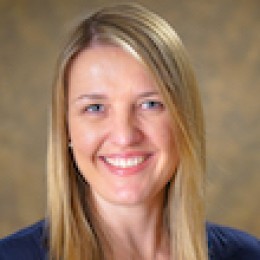
Hanna-Tina Fischer is an Instructor in the Program on Forced Migration and Health at Columbia University's Mailman School of Public Health and a Doctoral candidate in the DrPH program on Leadership in Global Health and Humanitarian Systems. Fischer's research focuses on children's well-being and development amidst adversity and how families adapt to crises. Her experience in child welfare and protection spans across Asia, Africa, and Europe. Fischer led post-disaster needs assessments in Thailand and Bangladesh, implemented psychosocial support programs in Pakistan-administered Kashmir, and supported post-disaster family tracing and reunification programs in the Philippines. She has worked with various organizations such as UNHCR, Save the Children, and the IRC as well as national NGOs in India and Germany. Fischer earned a BA in Anthropology and Communication Studies from Goldsmiths', University of London and an MSc in Development Management from the London School of Economics and Political Science (LSE). Prior to her doctoral studies, she worked with the UNICEF-led Global level Child Protection Working Group of the Global Protection Cluster.

Mark Canavera is the co-director of the Care and Protection of Children Learning Network, an organization based at Columbia University's Mailman School of Public Health. His primary responsibilities include coordinating research and advocacy efforts to protect and promote the health and development of children in complex settings globally. Mark is also a co-chair of the INSPIRE Working Group with the World Health Organization to reduce violence against children, and the co-lead of the Assessment, Measurement, and Evidence Working Group of the Alliance for Child Protection in Humanitarian Settings. Additionally, he is part of the Expert Advisory Group of the Special Representative to the UN Secretary General on Children and Armed Conflict’s initiative. His current research focuses on improving social service workforces and national child protection systems in low- and middle-income countries, and preventing child labor. Mark has worked with numerous organizations, including Save the Children, UNHCR, and Oxfam, in more than 20 countries in Africa. He holds Master's degrees in Peace Studies and Public Policy from Notre Dame and Harvard, respectively.

Dr. Michael Wessells is a Professor in the Program on Forced Migration and Health at Columbia University’s Mailman School of Public Health. He has dedicated his career to the study of the psychosocial impact of war and political violence on children, having worked in Africa, Asia, and Latin America. He is an experienced practitioner in the field of child protection and psychosocial support, and his research has contributed to the development of guidelines for mental health and psychosocial support in emergency settings. Dr. Wessells leads inter-agency, multi-country action research on community-led action to enable children's protection and well-being in Sierra Leone, Kenya, and India. He advises UN agencies, governments, and donors on issues of child protection and psychosocial support, and emphasizes the importance of children's voice and agency, community resilience, prevention, and critical reflection.
Please note that there are no instructors or course assistants actively monitoring this course.